
Delving into the intricacies of Jueteng, a popular but illegal numbers game in the Philippines, and examining its modern counterpart, Jogo789.
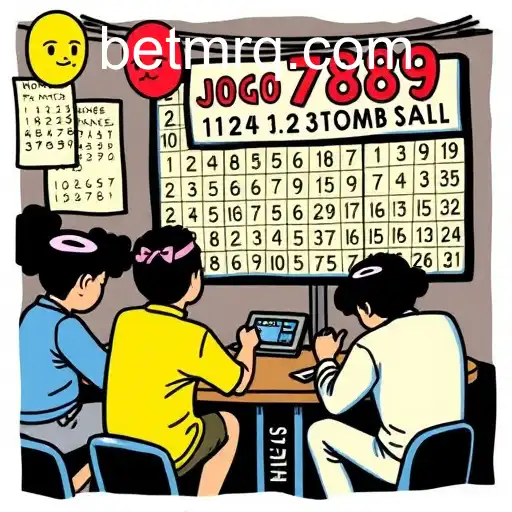
The History and Evolution of Jueteng
Jueteng is a numbers game that originated in the Philippines, deeply entrenched in the country's culture and society. Despite being illegal, it has maintained a robust presence throughout the years, largely due to widespread participation and intricate networking among operators. The game involves drawing numbers from a certain set, where bettors place wagers based on selected combinations. Traditionally, jueteng relied on a community's clandestine gatherings, operating outside the bounds of legality yet often in plain sight.
How Jueteng Works
The simplicity of jueteng is a key factor in its widespread appeal. Players choose a combination, typically two numbers between 1 and 37, and place a bet. Runners or "kubradors" collect bets and remind players of drawing schedules. A winning number is picked during draws conducted by the operators. The payout for winning bets is usually high, making the game enticing even when the odds are not in the players' favor.
Social and Economic Implications
Jueteng is not just a game but a social phenomenon with significant economic implications. It provides livelihoods for thousands, from coordinators to runners. The allure of high returns keeps communities engaged, but the lack of regulation means players often face financial risks with no legal recourse. The game funds local economies but often at the cost of promoting dependency on an illegal venture.
The Rise of Jogo789
In recent years, technological advancements have given rise to digital adaptations of traditional games, including jueteng. One such iteration is Jogo789, an online platform that offers similar gaming experiences. Jogo789 allows users to partake in number games through their devices, providing a modern twist to the age-old pastime.
The Mechanics of Jogo789
Jogo789 functions by leveraging internet connectivity to reach a broader audience. Players can log into the platform, see live draws, and place bets on virtual iterations of jueteng-style games. The seamless integration of technology allows for real-time participation and instantaneous results, appealing to a faster-paced lifestyle.
Legal and Ethical Considerations
While Jogo789 updates the traditional framework by incorporating digital elements, it also poses challenges regarding legality and ethics. Online platforms often navigate legal loopholes, making enforcement difficult. Additionally, the digital space's anonymity can lead to increased addiction and financial loss among vulnerable individuals.
Comparative Analysis
The transition from jueteng to Jogo789 illustrates broader trends in gambling and entertainment. Jueteng, despite its illegality, relies heavily on physical networks and community presence. In contrast, Jogo789 capitalizes on anonymity and convenience, allowing players to participate without physical constraints.
Impacts on Society
As with jueteng, Jogo789 impacts economic conditions but on a larger scale due to its accessibility. However, the digital format heightens risks associated with gambling, such as addiction and financial instability. It becomes imperative to consider whether the convenience of platforms like Jogo789 serves the public interest or exacerbates underlying societal issues.
Future Prospects
The future of both jueteng and Jogo789 lies in balancing tradition with technological advances. While regulation of illegal gambling remains a challenge, efforts may include legitimizing certain formats under strict governance. This could lead to safer environments where participants can enjoy gaming without the risks currently associated.
Conclusion
The enduring appeal of number games like jueteng showcases the complexities of addressing illegal gambling in the modern age. As Jogo789 and similar platforms gain prominence, it's crucial to address both technological innovation and its societal impact thoughtfully, ensuring that growth in this sector doesn't come at the expense of societal well-being.